What OpenAI and Boston Children's Hospital Announced
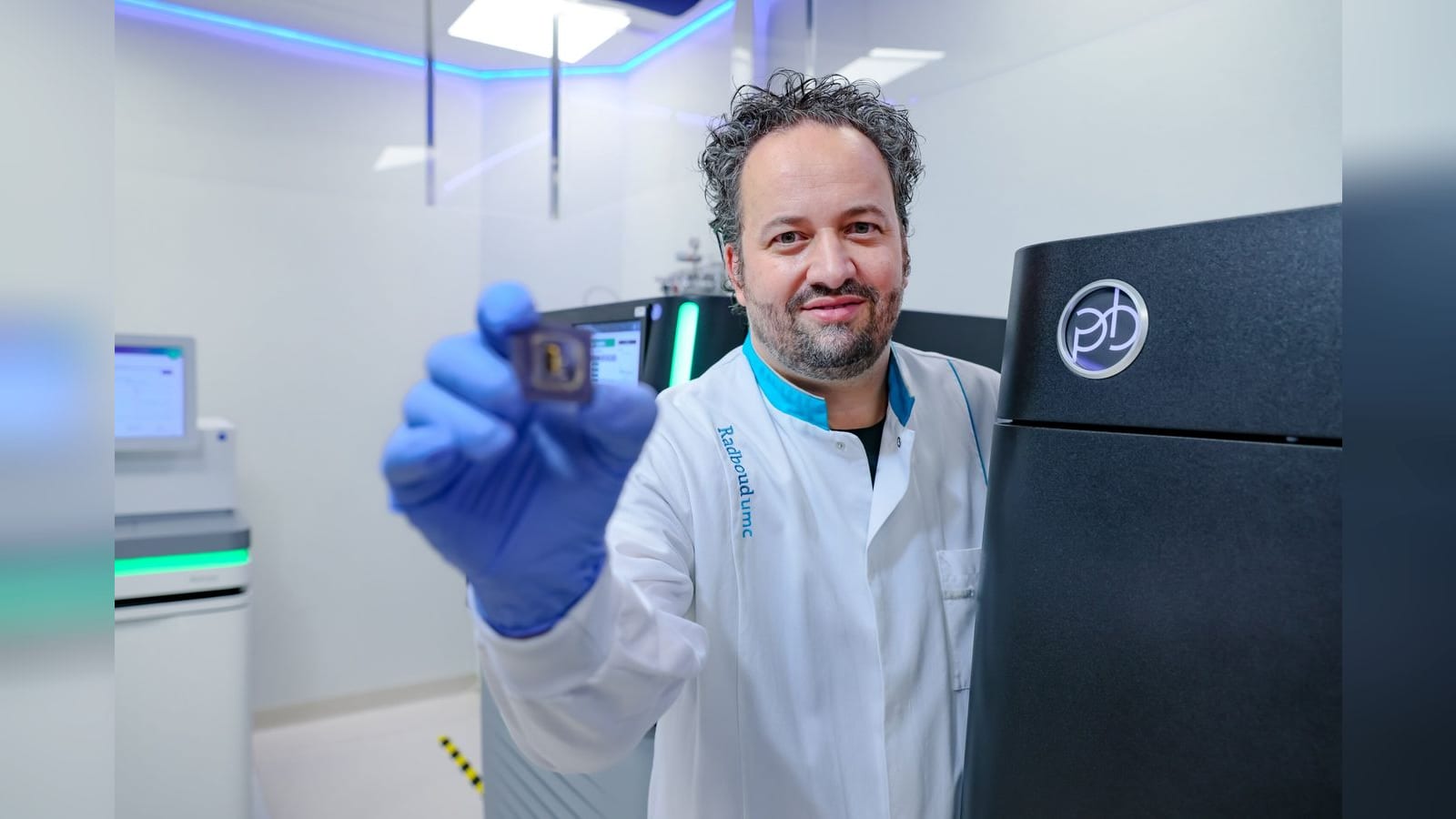
OpenAI's o3 Deep Research model helped clinicians at Boston Children's Hospital and Harvard solve 18 previously unsolved pediatric rare-disease cases out of 376 reviewed. The study was published in NEJM AI. OpenAI announced the collaboration alongside researchers from both institutions.
We're covering this because the result is one of the clearest peer-reviewed tests of frontier AI in clinical genetics published so far.
o3 Deep Research is OpenAI's frontier reasoning model. It is built to process large volumes of information and generate detailed hypotheses. Here it was applied to rare pediatric genetics cases that had stumped clinicians for years.
How the Model Approached the Cases
The model examined 376 unsolved cases. It generated hypotheses that linked patient phenotypes, genetic variants, and published medical literature. Those leads were not treated as final answers.
Clinical experts reviewed each hypothesis under ACMG/AMP rules. That is the standard framework used to classify genetic variants. Findings were then confirmed in CLIA-certified laboratories.
This two-step process kept human specialists in control of every final call. The model produced reviewable leads. The clinicians made the diagnoses.
You might also like


OpenAI noted that rare disease diagnosis is especially difficult. Genetic sequencing can surface millions of variants. Medical knowledge also changes constantly. The model's job was to connect clinical features, inheritance patterns, and the latest literature. Doing that manually across hundreds of cases would be impractical for a single clinician.
What the 18 New Diagnoses Covered
The 18 confirmed diagnoses spanned four disease categories:
- Neurodevelopmental disorders
- Neuromuscular disorders
- Sudden-death syndromes
- Early-psychosis conditions
Seven of the 18 were rediscoveries of already-known variants. The remaining cases pointed to novel mechanistic ideas. Those still need further validation, according to Digg's coverage of the study.
The Patient Behind the Numbers
Greg Brockman highlighted one patient by name: Kyra. She had been trying to understand her muscle weakness since age 9. Shortly before her 28th birthday, the process yielded a diagnosis — a rare form of myofibrillar myopathy. Her case shows the years-long wait that many families in the study had endured before receiving any answer.
The sources name Kyra as the only individual patient identified in the public release.
Study Results at a Glance
| Factor | Detail |
|---|---|
| Cases reviewed | 376 |
| New diagnoses confirmed | 18 |
| Known variant rediscoveries | 7 |
| Disease categories covered | 4 |
| Validation standard | ACMG/AMP rules, CLIA labs |
| Publication venue | NEJM AI |
Limits of This Study
The Digg summary flags several important constraints:
- The study was retrospective — it looked back at old cases, not new ones arriving in a clinic today.
- Reviewers were unblinded, meaning they knew which cases the model had flagged.
- No data on time, cost, or false-positive rates in daily clinical workflows appears in the release.
- OpenAI explicitly bars direct diagnostic use by clinicians or families until privacy, regulatory, and oversight requirements are met.
- No deployment timelines or licensing details were published.
These limits mean the 18 diagnoses are a proof-of-concept result. They are not a blueprint for immediate clinical rollout.
What OpenAI Said About Scaling Compute
Karan Singhal framed the result as evidence that scaling test-time compute can produce real-world benefit. Having reasoning models think longer and harder on a problem is the core idea. Noam Brown added that releasing o1 publicly — rather than keeping it internal — was the right call. Other researchers had reportedly argued at the time that OpenAI made a strategic mistake by not keeping the model secret.
This connects to broader questions about OpenAI deployment simulation and how the company evaluates model releases before they reach users.
For context, Google AMIE matched doctors in a separate Nature study on AI-assisted clinical diagnosis. That is a sign that multiple labs are now publishing peer-reviewed results in this space. Separately, G7 trusted partners discussions have raised questions about how governments plan to oversee medical AI at scale.
The AI productivity research community has debated where AI delivers the clearest measurable output. Rare disease genetics, with its defined right-or-wrong answers, offers one of the cleaner test beds.
What Comes Next
OpenAI has not announced a deployment timeline or a follow-up study. The published finding in NEJM AI is the concrete milestone the sources confirm. The novel mechanistic hypotheses flagged in some of the 18 cases still require further validation before they can be considered established diagnoses.
The OpenAI announcement page and Digg's story overview are the primary sources for this report.


0 Comments
Log in to comment
Not a member yet? Join the community
Pick a meme
KlipyHave a great take?
Drop your email — we'll send a magic link so you can post it. No password.
Not a member of the community? Join today.
Join the community →