
What is the Appia Foundation?
The Linux Foundation launched the Appia Foundation on June 17, 2026 — a new body hosted under the Joint Development Foundation (JDF) that will build open, modular specifications for assessing AI systems across the global AI value chain. The Joint Development Foundation (JDF) is a standards-hosting organization under the Linux Foundation umbrella. Appia's specifications are designed to translate existing international frameworks, such as ISO/IEC standards, into practical, assessable criteria that organizations can actually verify.
The founding member roster includes Arm, Armilla AI, Ericsson, Google, Mastercard, Microsoft, Mitsubishi Electric, Naaia, Nemko, Omron, OpenAI, Schneider Electric, and Siemens, according to the Linux Foundation's announcement.
Why was Appia created now?
Governments worldwide are moving toward active enforcement of AI regulations. At the same time, value chain partners are requiring evidence of trustworthy AI in contracts and vendor evaluations. The Linux Foundation says existing international frameworks establish vital foundations but lack a shared mechanism to turn those rules into verifiable proof.
Appia is meant to fill that gap. It provides an open connecting layer — testing criteria, evaluation guidelines, and component typologies — that organizations can use to assess AI models, systems, applications, and processes.
How does the Appia specification architecture work?
The Appia specifications are organized into two layers:
- Requirements and Guidance layer — sets out the criteria and expectations AI systems must meet
- Assessment Enablement layer — provides the tools and guidelines needed to actually evaluate those criteria
A key design feature is what the Linux Foundation calls "functional modularity and evidence pass-through." Organizations only assess what is relevant to their specific role, component, and regulatory context. When an upstream provider already demonstrates conformity with relevant modules, that technical evidence carries forward — avoiding duplicate assessments down the supply chain.
You might also like


This approach is intended to reduce compliance costs across the AI value chain, as reported by PR Newswire.
Who are the key figures behind Appia?
Two executives spoke at the launch.
Jim Zemlin, CEO of the Linux Foundation, said: "As international standards and legal frameworks become more established, global organizations need a consistent, practical way to verify that AI systems conform to new expectations. The Appia Foundation establishes a neutrally governed environment where the entire industry can collaborate on a common assessment framework. By building this infrastructure in the open, we are helping organizations reduce complexity, lower operational costs and build trust."
Craig Shank, Executive Director of the Appia Foundation, added: "AI systems now make decisions about people's loans, their children's schools and their jobs. People on the receiving end deserve to know those systems were built and assessed against criteria that hold up to scrutiny. The Appia Foundation was formed to do that work: creating publicly available specifications that organizations across the AI value chain use to demonstrate their systems meet those criteria."
Which industries does Appia cover?
The founding member list spans multiple sectors. Here is a breakdown of the members by industry category:
| Member | Sector |
|---|---|
| Technology | |
| Microsoft | Technology |
| OpenAI | AI / Technology |
| Arm | Semiconductors |
| Ericsson | Telecommunications |
| Mastercard | Financial Services |
| Siemens | Industrial / Manufacturing |
| Schneider Electric | Energy / Industrial |
| Mitsubishi Electric | Industrial / Manufacturing |
| Omron | Industrial Automation |
| Armilla AI | AI Risk |
| Naaia | AI Governance |
| Nemko | Testing / Certification |
The cross-sector composition reflects the Foundation's stated goal of scaling trusted AI across major industries.
Here's what we know so far: the Appia Foundation is vendor-neutral by design, meaning no single company controls the specification process. That governance structure is central to the Linux Foundation's pitch for why the industry should adopt these frameworks.
What problem does this solve for builders and developers?
For teams building AI products, compliance with overlapping global regulations is a growing cost center. The Appia model means that if a model provider already holds conformity evidence for a given module, a downstream application builder does not need to re-run the same assessment. That reuse of evidence is the core efficiency argument.
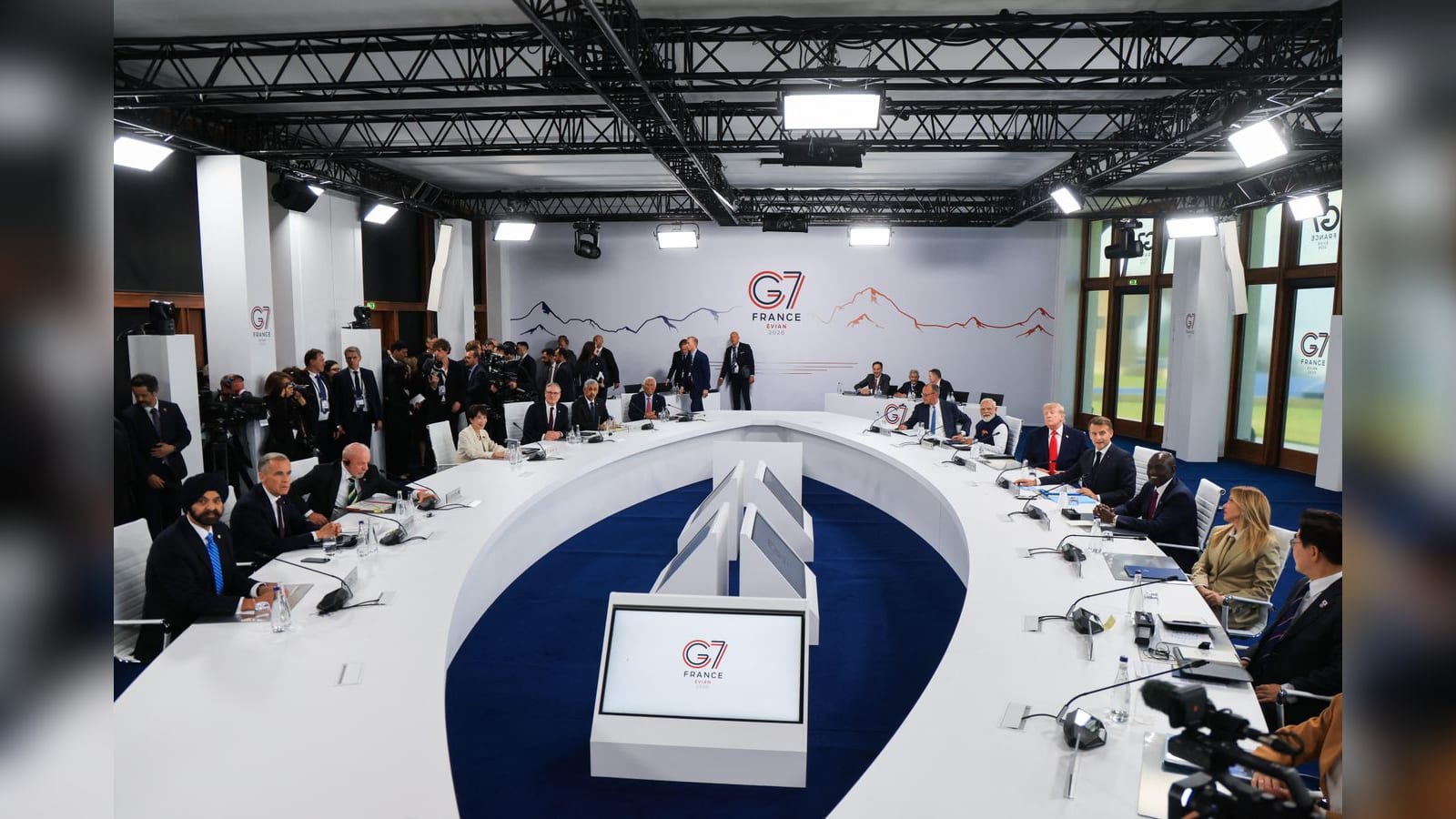
This is directly relevant to conversations around OpenAI deployment simulation and how AI labs are beginning to formalize safety verification before products ship. It also connects to broader questions about AI governance at the G7 level, where heads of major AI labs have been engaging with policymakers on exactly these compliance questions.
The Appia specifications will be publicly available, meaning any organization — not just founding members — can use them to assess and demonstrate AI trustworthiness. For context on how compliance costs factor into AI capital expenditure, the scale of investment in AI infrastructure makes standardized assessment frameworks increasingly valuable.
The Foundation's work also has implications for open-source AI development. Efforts like Chinese open-source AI models will face the same global regulatory pressures that Appia is designed to address.
What happens next?
The Appia Foundation's specifications will be developed in the open under the Joint Development Foundation. The publicly available global specifications will cover AI models, systems, applications, and processes across the AI value chain.


0 Comments
Log in to comment
Not a member yet? Join the community
Pick a meme
KlipyHave a great take?
Drop your email — we'll send a magic link so you can post it. No password.
Not a member of the community? Join today.
Join the community →