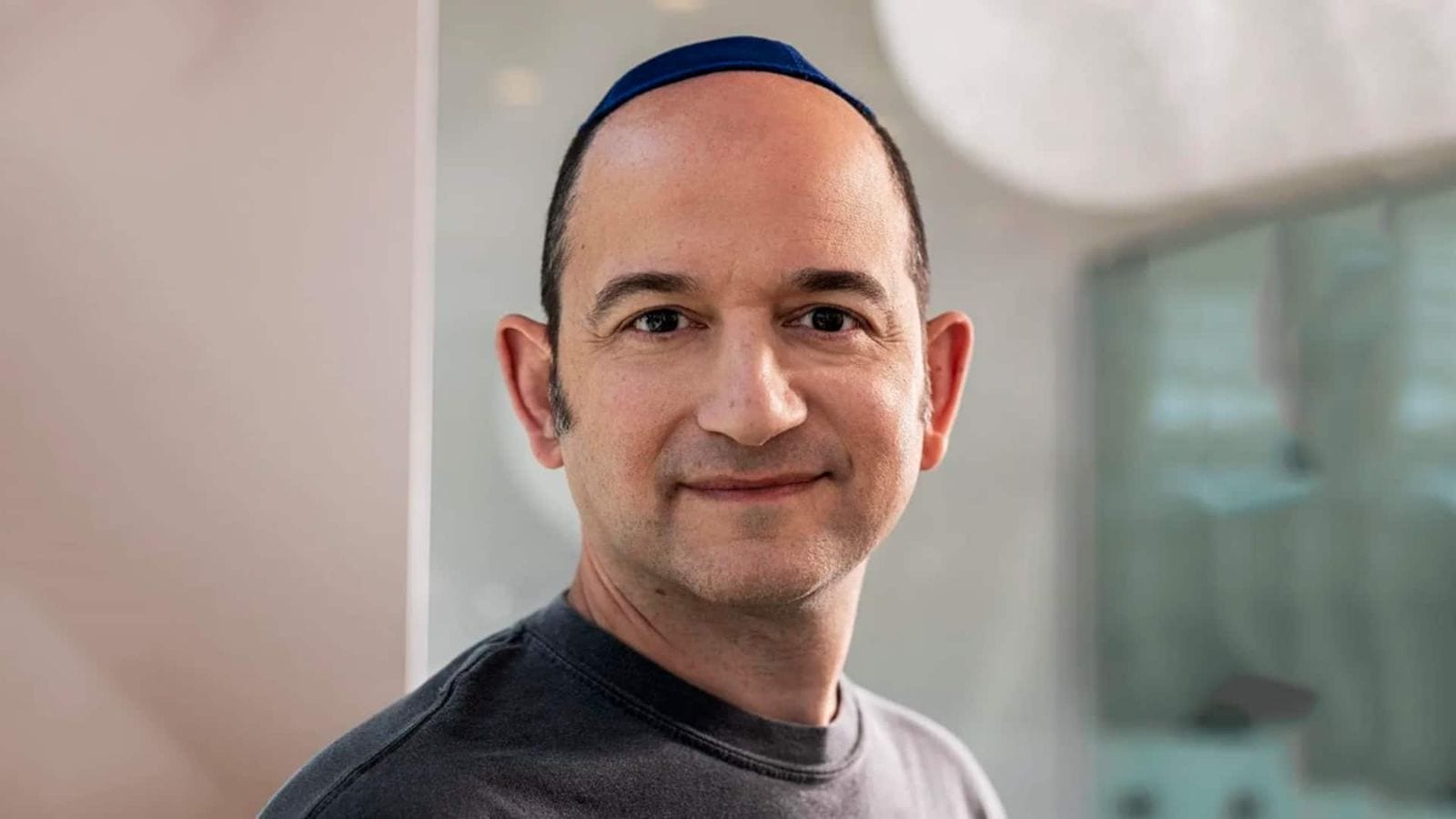
Who Is Noam Shazeer?
Noam Shazeer joined Google in 2000. He became one of the most influential AI researchers in the world. In 2017, he co-authored "Attention Is All You Need" — the paper that introduced the transformer architecture. That architecture is the foundation of virtually every major AI system today, including ChatGPT and Google's own models.
Most recently, he served as a vice president of engineering at Google and co-lead of its Gemini AI models. Reuters reported that he was a key figure behind Gemini's ability to close the gap on OpenAI's ChatGPT.
What Happened on June 17, 2026?
Shazeer announced on X that he will leave Google to join OpenAI. "I'm incredibly proud of the amazing team at Google and everything we've built together," he wrote. He added that he was "excited" to join OpenAI. Google responded to Reuters: "We are grateful for Noam's meaningful contributions to Google over the years." The exact timing of his departure was not immediately clear.
You might also like


How Did Shazeer End Up Back at Google?
This is the second time Shazeer has left Google for an AI venture. Here is how the timeline unfolded:
| Year | Event |
|---|---|
| 2000 | Joined Google |
| 2017 | Co-authored "Attention Is All You Need" |
| November 2021 | Left Google to co-found Character.AI |
| September 2022 | Character.AI beta launched |
| March 2023 | Character.AI reached $1B valuation |
| August 2024 | Returned to Google via $2.7B licensing deal |
| August 2024 | Appointed Gemini co-lead |
| June 17, 2026 | Announced move to OpenAI |
In November 2021, Shazeer and colleague Daniel de Freitas left Google. They were frustrated that Google refused to release their conversational AI to the public. They co-founded Character.AI with the goal of building "personalized superintelligence."
The beta launched in September 2022. Growth was immediate. Users sent 1 billion messages in the first four months. Then they sent another billion in just the next month. There was no ad spend — the product grew through word of mouth alone. By March 2023, just 16 months after founding, Character.AI closed a $150 million Series A at a $1 billion valuation from a16z, according to startup records.
In August 2024, Google struck a $2.7 billion licensing deal. Shazeer and de Freitas returned to Google. Character.AI kept running under new leadership. As of December 2025, it reported $50 million in ARR.
Why Does This Move Matter?
As we track this story, Shazeer's departure is a clear sign of how intense the AI talent race has become. Reuters noted that leading AI firms are competing for talent while racing to build advanced models. Google paid $2.7 billion to bring Shazeer back. He stayed less than two years.
His move also adds a major technical voice to OpenAI — the maker of ChatGPT — at a time when ChatGPT market share is under pressure from rivals. The broader competition also involves companies like Perplexity, whose hybrid local AI approach is reshaping how users interact with AI tools. And decisions about model access — like those covered in our reporting on AI access restrictions — are exactly the kind of choices that shaped Shazeer's career once before.
OpenAI is described by Reuters as "IPO-bound," though no further details about the timeline were provided in the sources.
Key Facts at a Glance
- Shazeer joined Google in 2000
- Co-authored the transformer paper in 2017
- Left Google in November 2021 to co-found Character.AI
- Character.AI hit $1 billion valuation in 16 months
- Users sent 1 billion messages in the first four months — with zero ad spend
- Google paid $2.7 billion to bring him back in August 2024
- Character.AI reported $50 million ARR as of December 2025
- Shazeer announced his move to OpenAI on June 17, 2026


0 Comments
Log in to comment
Not a member yet? Join the community
Pick a meme
KlipyHave a great take?
Drop your email — we'll send a magic link so you can post it. No password.
Not a member of the community? Join today.
Join the community →