What is actually happening in the AI coding model race?
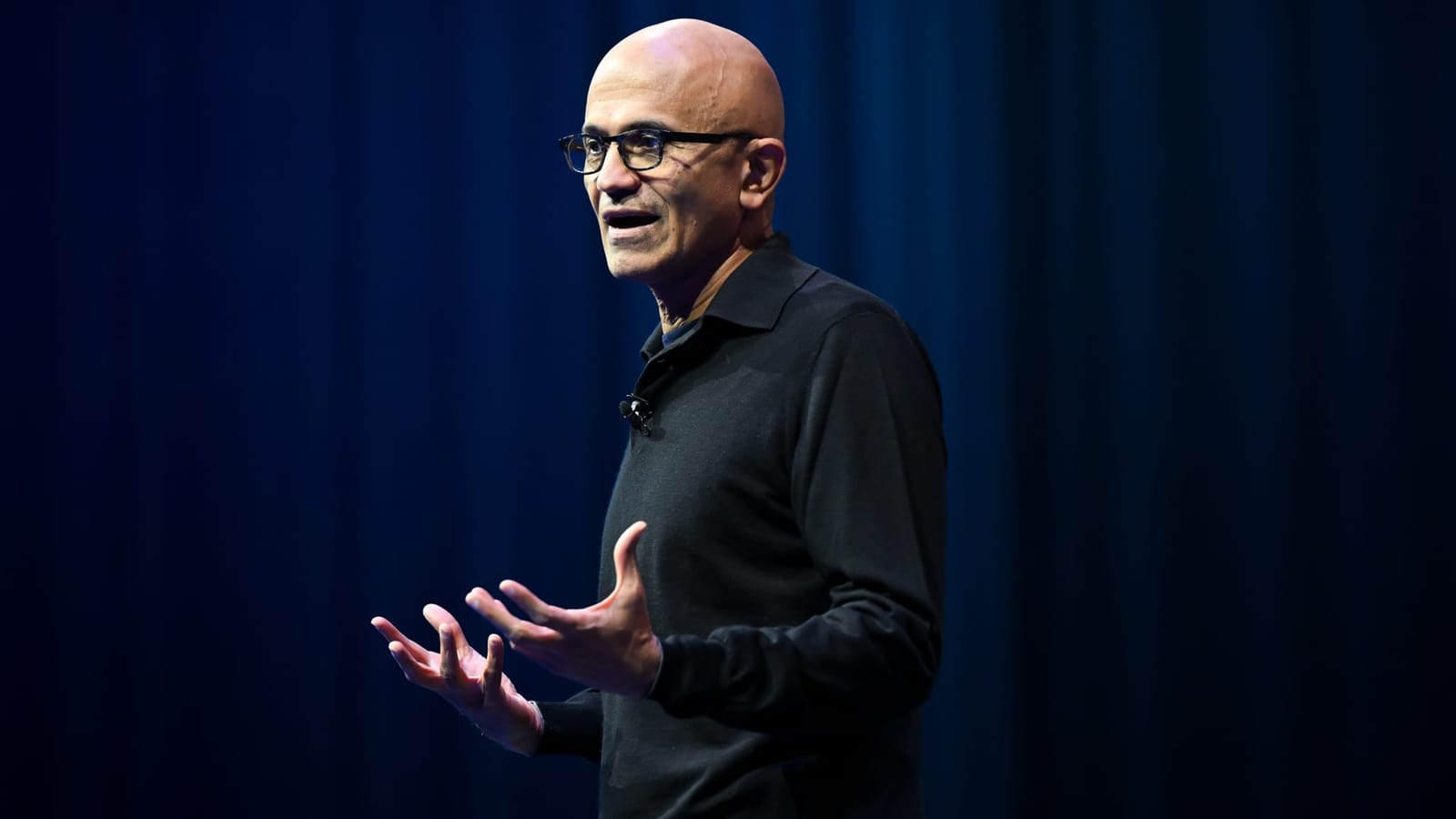
Google and Microsoft are now directly targeting Anthropic and OpenAI in AI coding tools. CNBC reports that coding has become an "increasingly big target" for both companies. This is not a side bet. It is a head-on challenge to the two companies that currently lead the category.
Anthropic and OpenAI have built strong positions in AI-assisted coding. Anthropic's Claude models have earned a solid reputation among professional developers. OpenAI's tooling sits at the center of a wide ecosystem.
Microsoft and Google are now treating that lead as a gap worth closing fast.
Why are coding tools the most contested segment in AI right now?
Code generation has the clearest feedback loop of any AI application. A developer knows within seconds whether a suggestion compiles, passes tests, or breaks something. That tight loop makes quality differences between models immediately obvious — and immediately costly for the model that falls short.
That clarity makes coding a prestige category. Winning here signals technical credibility across an entire model lineup. Losing here, in front of the most technically demanding users in the market, is a visible and expensive failure.
How does Microsoft's position differ from Google's?
Microsoft has one structural advantage Google does not: GitHub. GitHub Copilot gave Microsoft an early foothold in AI-assisted coding. It also gave Microsoft a distribution channel with tens of millions of developers already inside its ecosystem.
You might also like


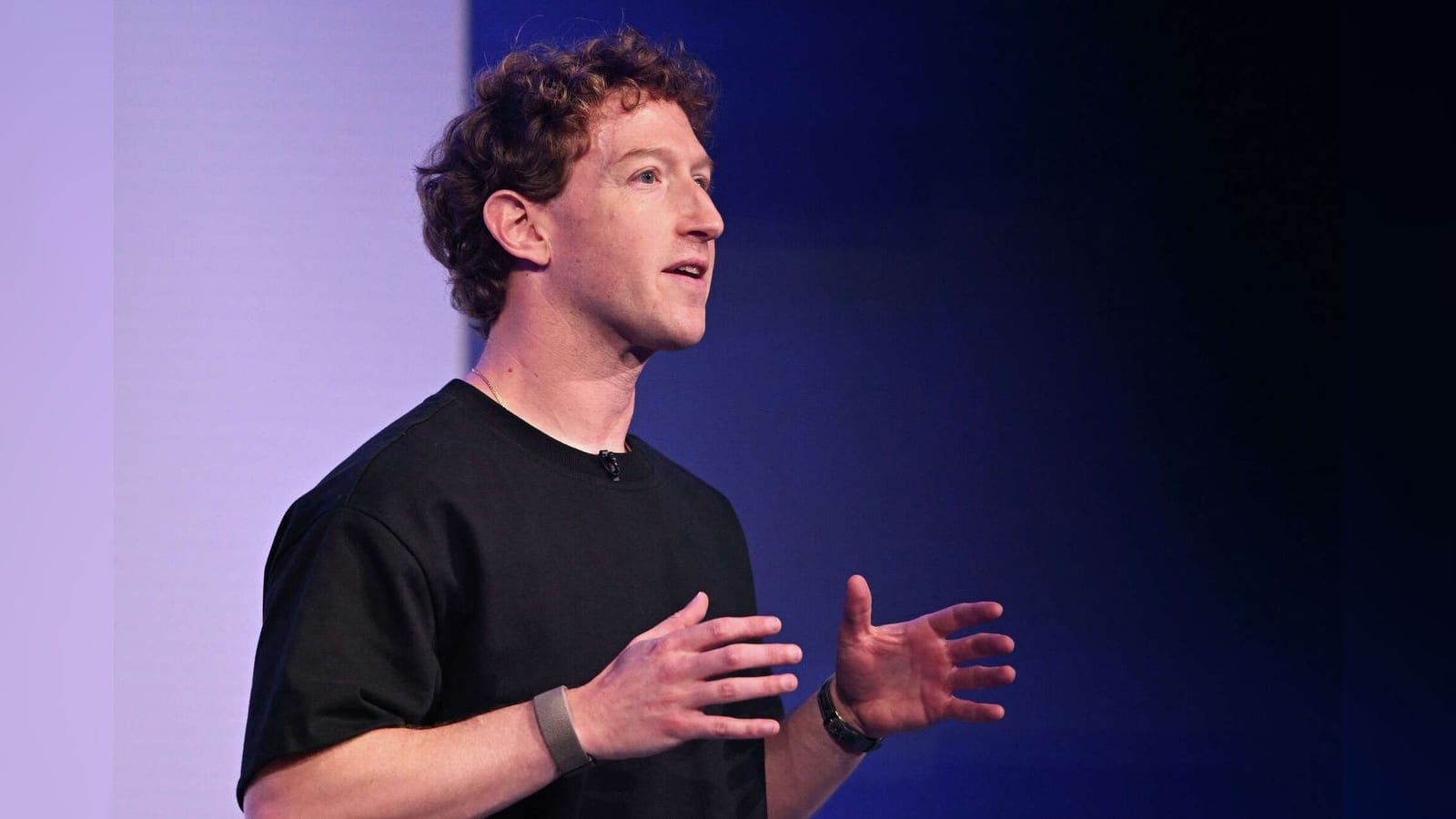
The key strategic question for Microsoft is whether it can extend that foothold. It could do this by adding its own model capabilities, or by giving developers more model choice within the Copilot surface. Either path would reduce its dependency on OpenAI while staying competitive with Anthropic.
Google's path is different. Its coding push runs through Gemini and through developer tools like Android Studio and Google Cloud's Duet AI. Google has strong model infrastructure and deep cloud relationships. But it lacks the same pull over the developer desktop that GitHub gives Microsoft.
What does this mean for Anthropic and OpenAI?
Two of the world's largest technology companies entering the coding tools market is not a neutral event for Anthropic and OpenAI. Both challengers have major distribution advantages. Microsoft has GitHub and the enterprise Microsoft 365 stack. Google has Workspace, Cloud, and Android. Pure-play AI labs cannot match that reach on their own.
For Anthropic, the pressure is especially sharp. The company has positioned Claude as the top model for serious coding work, and that positioning has driven real developer adoption.
If Microsoft and Google ship coding models that are competitive on quality — and bundle them into tools developers already use — Anthropic's advantage becomes harder to hold without a distribution partner of comparable scale.
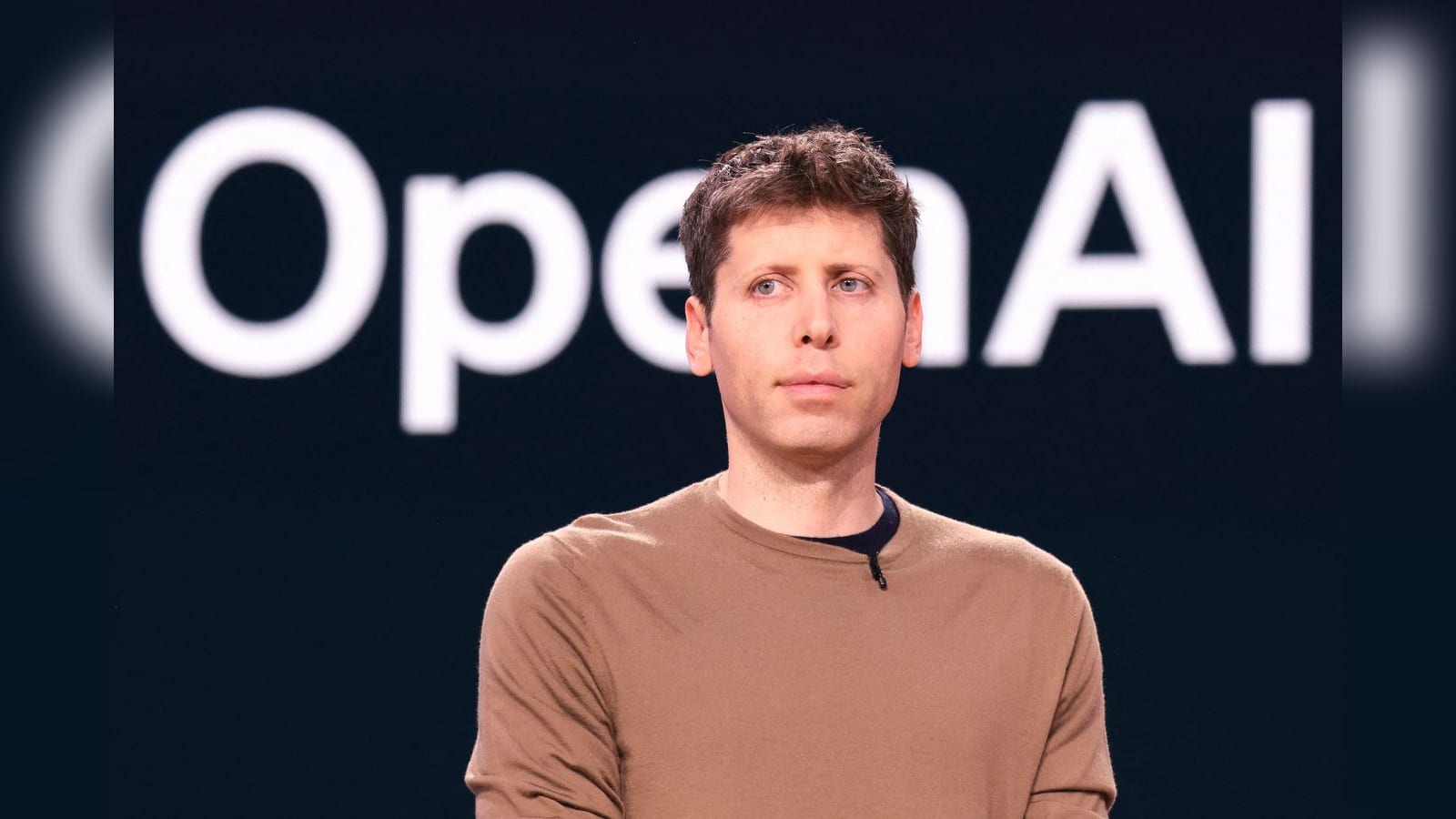
OpenAI faces a similar problem, with one added wrinkle. Its primary distribution partner, Microsoft, is now also a direct competitor in the coding model space. CNBC's framing of Microsoft as trying to "catch up" to OpenAI on coding is a notable signal about how that partnership is shifting.
Where is the AI coding market heading?
The competitive logic here points toward coding AI becoming part of platform layers rather than standalone products. When Microsoft and Google compete on coding models, they are not really selling a coding tool. They are selling a reason to stay inside their clouds, IDEs, and enterprise agreements.
The model is the hook; the platform is the lock-in.
This creates a structural squeeze for independent coding AI tools — products like Cursor and Replit that sit outside the big-platform ecosystems. They can win on model quality or developer experience in the short term. But they are competing against companies that can price coding AI as a loss leader inside a larger enterprise contract.
The forward-looking read: if Microsoft ships a coding model that is genuinely competitive with Claude on quality benchmarks, the independent AI coding tool market could contract sharply within 18 months. Enterprise procurement will default to the vendor already on the approved list.
Quality parity — not quality superiority — is the threshold that matters. Microsoft and Google are explicitly targeting it.
For more on how AI labs are positioning their models across major platforms, see Apple WWDC 2026: Siri AI Powered by Google Gemini.

0 Comments
Log in to comment
Not a member yet? Join the community
Pick a meme
KlipyHave a great take?
Drop your email — we'll send a magic link so you can post it. No password.
Not a member of the community? Join today.
Join the community →